

Knowing exactly what clothing to pack for your trip to Alaska can be tricky. The weather can be unpredictable, and layering is key, come rain or sunshine.
Yes, you want to look good on your travel photos for the ‘gram, but you have to be a bit more practical when it comes to Alaska.
You need to prepare for fluctuating temperatures and weather conditions that vary from coastal regions to the interior.
Then the Alaskan terrain is often rugged and covered in snow, forcing you to pack the right gear for outdoor adventures.
Fortunately, this guide does all the hard work for you, so you can focus on the journey rather than struggling with what to wear in Alaska.
Pssst: Find out where to stay in Alaska while you’re here.
Disclaimer: This post contains affiliate links. If you purchase through these links, I may make a small commission at no additional cost to you. Thanks for your support!
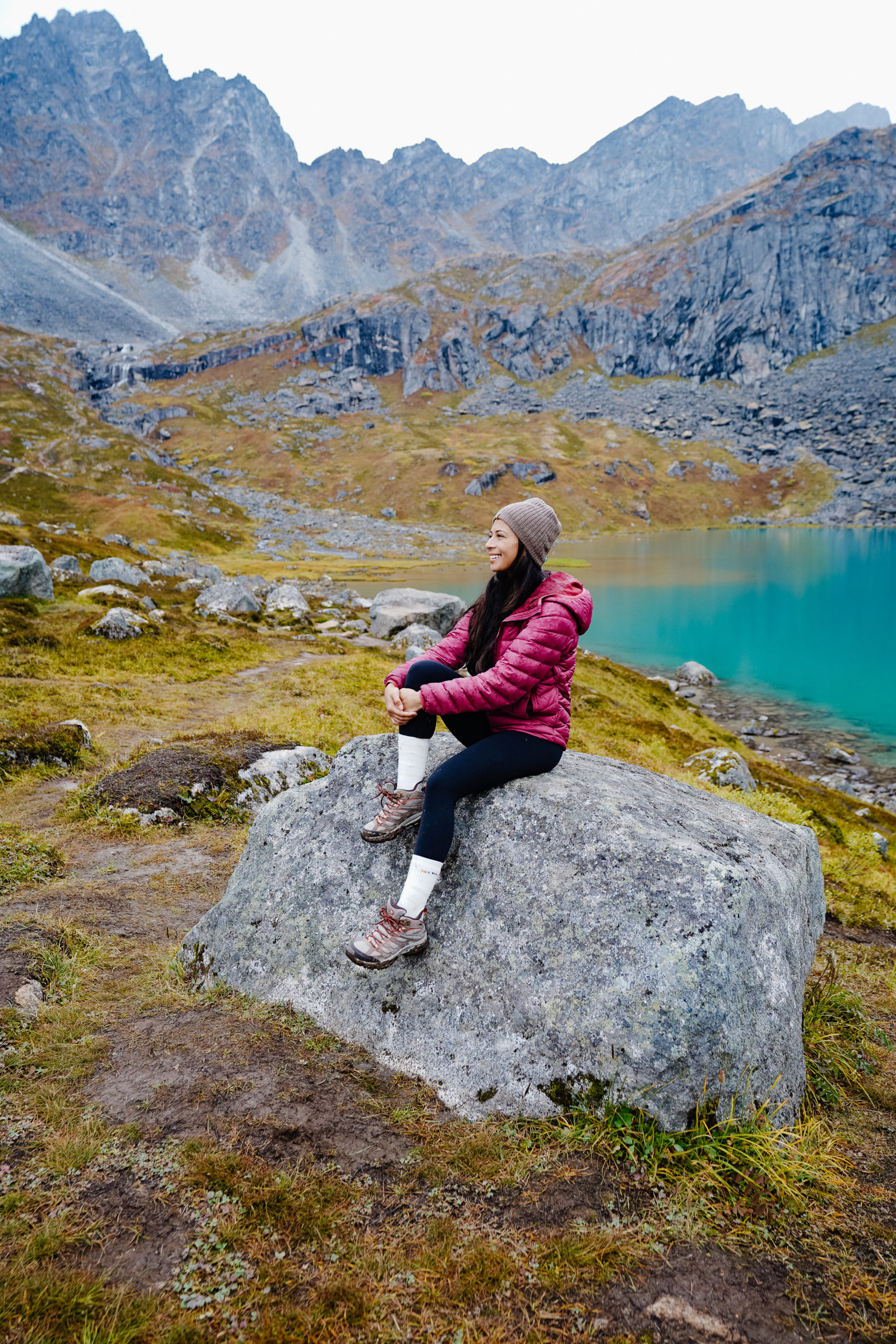
What to Wear in Alaska in Summer (June-August)
Summers are surprisingly mild, bright, and full of outdoor activities.
The weather is warmer in the interior and cooler along the coast. Average daily temperatures usually range from 55°F to 70°F (13°C to 21°C).
Nights are still a bit chilly, and rain is common, so you can expect light showers or drizzles.
The long daylight hours and milder temperatures are ideal for long hikes and road trips, so you should pack the following:
- Moisture-wicking, lightweight base layers. These can be leggings, t-shirts, long-sleeved shirts, and tank tops
- Waterproof rainjacket
- Fleece or insulated jacket
- Waterproof hiking boots
- Quick-dry long pants and shorts
- Hiking socks
- Sun hat or cap with brim
- Swimsuit
- Bug net hat or head net. The mosquitoes can be intense during summer
- Sunglasses
- Light gloves or beanies for chilly evenings and mornings
- Long-sleeve shirts for bug protection
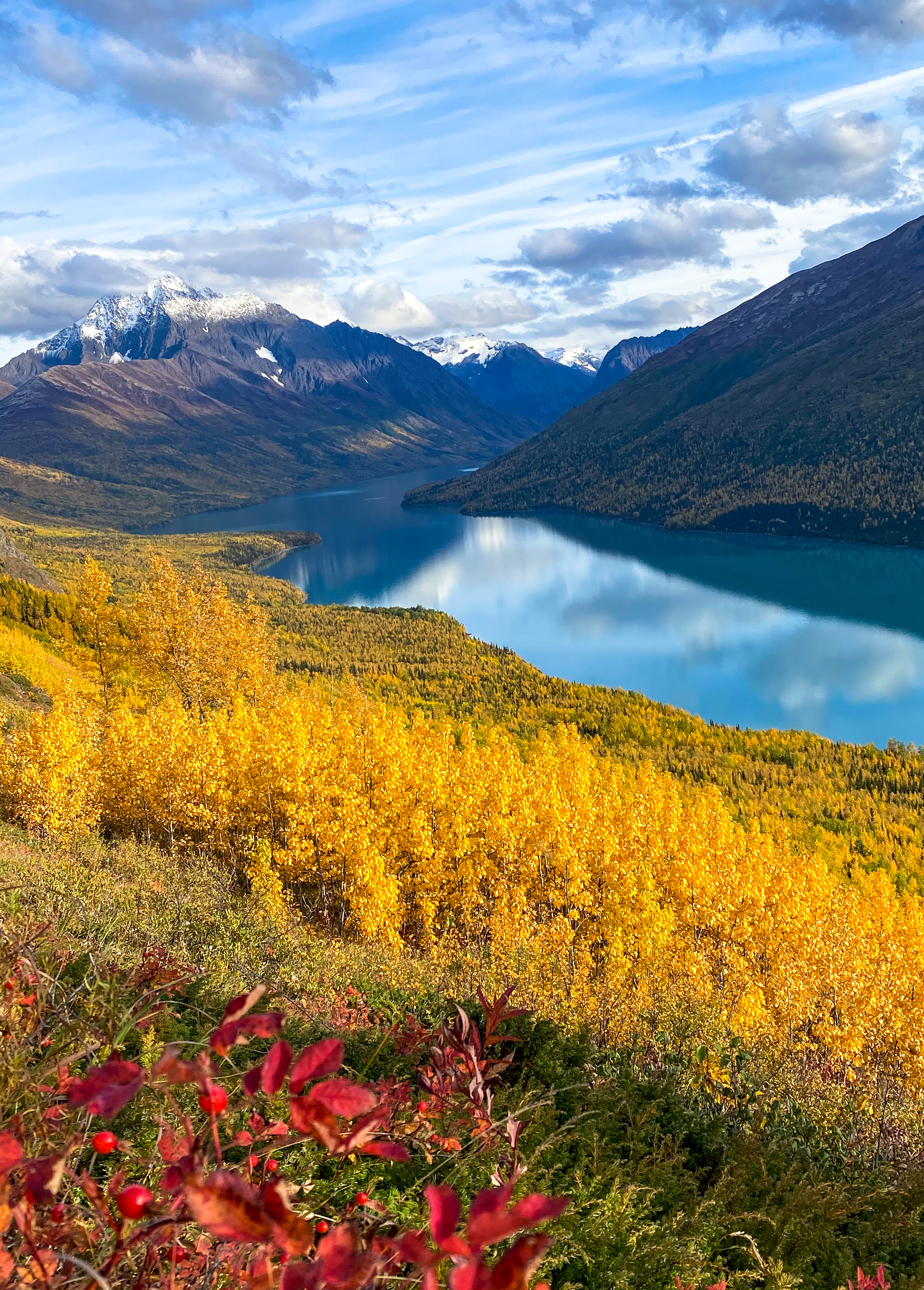
What to Wear in Alaska in Winter (November-March)
Winter in Alaska is extremely cold, with snow-blanketed landscapes and breathtaking natural beauty.
Snow is abundant, especially in mountain areas, and the temperatures vary greatly by region although generally cold throughout.
The interior (think Fairbanks) can drop to -40°F (-40°C), particularly in January. The southcentral region, around Anchorage, is milder between 5°F to 23°F (-15°C to -5°C).
Then, the southeast, around Juneau, offers more coastal temperatures with a mix of snow and rain, and temperatures near freezing.
Despite the freezing conditions, visiting Alaska is worth seeing the magical dances of the Aurora Borealis (Northern Lights). It also offers a fantastic opprotunity for dog-sledding and skiing.
Here’s what you should add to your winter checklist:
- Snow goggles or UV-protective sunglasses for glare
- Thermal base layers, both top and bottom
- Waterproof snow pants
- Insulated parka (similar to jackets, just longer in length)
- Gloves or mittens, waterproof and insulated
- A warm hat that covers the ears
- Balaclava
- Mid-layer fleece or down jacket
- Wool socks
- Insulated waterproof boots
- Hand and foot warmers
- Casual warm clothes for indoors
What To Wear in Alaska in Spring (April-May) & Fall (September-October)
These two seasons are grouped together because you’ll pack similar clothing and items.
Spring and fall offer a mixed bag of weather, where every day will feel like a different season.
Snow is still present in early spring, so you’ll be exposed to muddy trails. When May rolls around, you’ll be treated to more daylight and warmer weather.
During the fall, September starts crisp and colorful with mild temperatures that will then begin to cool down by late October, as snow begins to fall again slowly.
Bring the following things with you:
- Thermal leggings
- Moisture-wicking, long-sleeved shirts
- Fleece jacket or pullover
- Insulated vest or light down jacket
- Quick-dry hiking pants
- Water and windproof rain jacket
- Waterproof pants
- Waterproof hiking boots
- Wool or synthetic socks
- Scarf
- Sunglasses
- Warm sleepwear
- Warm hat (beanie/toque)
- Lightweight gloves or mittens
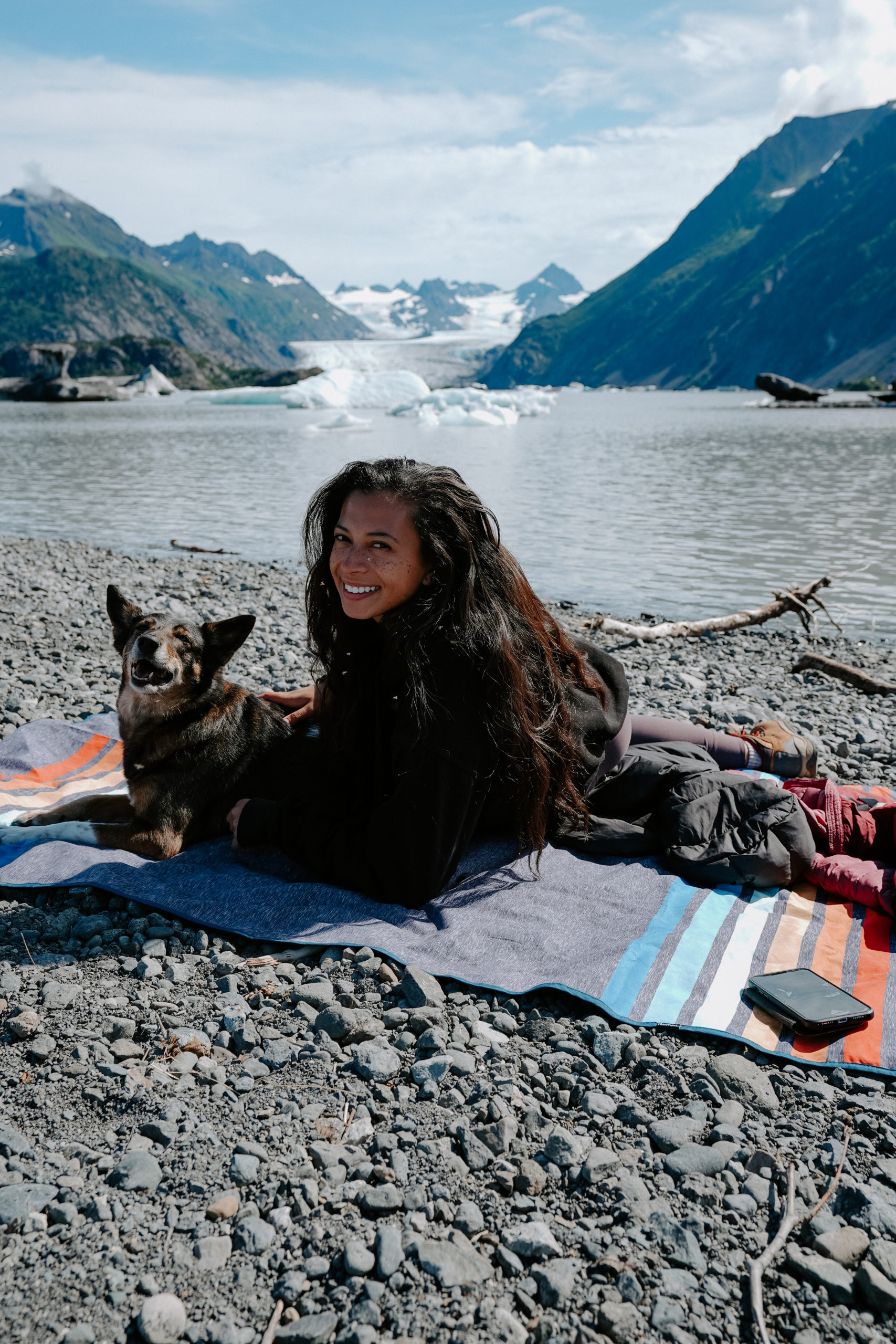
Other Extras to Pack for All Seasons
Here’s what you should bring with you, no matter when you visit Alaska.
- Daypack
- Reusable water bottle
- Camera and binoculars
- Sunscreen and SPF lip balm
- Toiletries
- Travel documents, ID, and insurance
- Portable charger
- Bug spray
- Warm sleepwear
- Prescription medication
What to Wear for Specific Activities
Packing all the above may not be necessary if you know exactly what you’re doing in Alaska. This way, you’ll save plenty of space by only grabbing essentials. Here’s what you should pack for everyday activities in the Last Frontier.
Hiking/Trekking
- Shoes: Waterproof hiking boots and socks
- Extras: Gloves, hat, daypack, and bug spray
- Base Layer: Moisture-wicking shirt
- Mid Layer: Insulated fleece or lightweight jacket
- Outer Layer: Waterproof rain jacket and hiking pants
Scenic Flights/Helicopter Tours
- Layers: Helicopter cabins are heated, but stops at glaciers are freezing
- Footwear: Insulated boots
- Base Layer: Warm jacket, gloves, and sunglasses
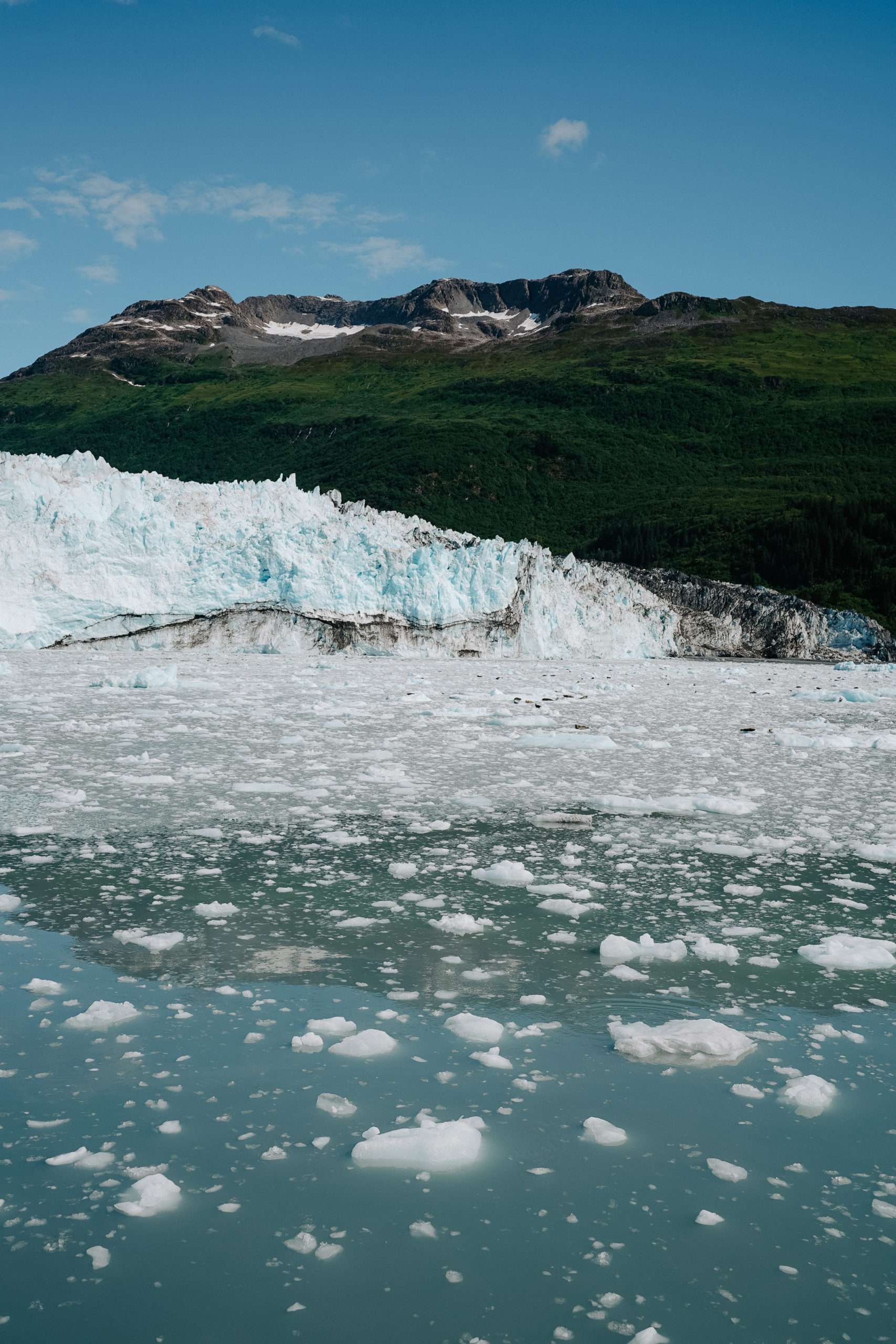
Glacier Tours/Whale Watching
- Base and Mid Layer: It’s very cold on the water, so make sure you’re well insulated
- Outer Layer: A waterproof windbreaker or rain jacket will help keep you dry
- Footwear: Waterproof shoes or boots
- Bottoms: Warm pants, thermal-lined in winter
- Extras: Binoculars, gloves, beanie, sunglasses
Fishing
- Fishing gear: Base layers, overalls, fleece, waterproof jacket
- Bottoms: Quick-dry pants
- Accessories: Gloves, beanie or hat, sunglasses
- Footwear: Waterproof boots
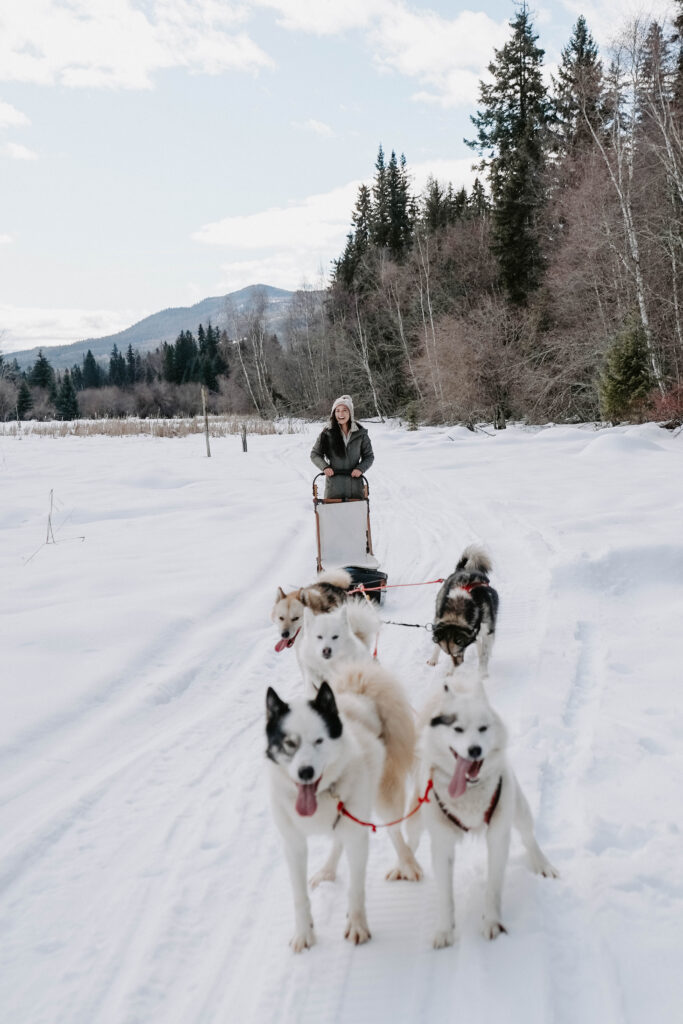
Snowmobiling/Dog Sledding
- Full snow gear: Thermal underwear, parka, snowsuit
- Accessories: Mittens, neck gaiter, goggles, or sunglasses
- Footwear: Insulated snow boots
Northern Lights Viewing
- Winter wear: Thermal base layers, heavy-duty parka, insulated parka
- Accessories: Thick gloves, hat, scarf, balaclava, insulated boots
- Extras: Hand warmers, blanket
Hot Springs
- Swimwear and towels
- Warm outerwear: To stay warm when walking to and from the springs in the cold
- Dry change of clothes
City Sightseeing
- Sturdy walking shoes that are also water-resistant
- Comfortable outer layers
- Backpack for essentials such as wallets, keys, and souvenirs
- Warm coat
- Waterproof gear for the rainy seasons
Tips for an Alaska Packing List
- Always pack in layers: Alaska’s temperatures can switch up in a single day. Wearing base, mid, and outer waterproof layers will help a ton.
- Make sure everything is waterproof: Sudden showers are common, so having waterproof jackets, boots, and packable rain covers is crucial.
- Choose the proper footwear: Waterproof hiking boots are essential for outdoor activities, and casual shoes or flip-flops are fine for evenings and hotels.
- Try to pack light: Packing light is key, as giant suitcases aren’t pleasant to travel with. Go with smart layers, multi-use items, and packing cubes or compression bags to save space.
- Tailor your packing to your itinerary: If you’re going to Denali, focus on hiking gear. Planning on doing glacier cruises? Pack warm, windproof layers.
- Bring extra socks: You may need to have an extra few on hand, preferably wool or synthetic, in case of wet conditions.
Where to Shop in Alaska
Don’t have the above items already and strapped for time? Your best bet is to go on a quick shopping spree for those last-minute essentials after you’ve landed. Here are some of the top malls and centers around Alaska to find clothing and gear:
Anchorage
- REI Anchorage: Here you’ll find all sorts of high-quality gear, clothes, rainwear, and hiking boots for outdoor activities.
- 6th Avenue Outfitters Co-op: A locally-owned retailer for outdoor clothing, footwear, and hunting/fishing gear.
- Big Ray’s: An Alaskan favorite for cold-weather clothing, Carhartt, XTRATUF boots, gloves, and outerwear.
Fairbanks
- Big Ray’s Fairbanks: Heavy-duty winter gear, boots, and gloves.
- Prospector Outfitters: Here you’ll find quality outdoor apparel and camping gear.
Juneau
- Foggy Mountain Shop: A popular outfitter for outdoor clothing, shoes, and hiking gear.
- Alaska Shirt Company: This spot has tourist apparel from souvenirs to casual clothing and logo gear.
Seward, Homer, Talkeetna, and Other Small Towns
You’ll likely find at least one general store or local outfitter in most small towns that sells essentials like gloves, rain jackets, and hiking gear.
Frequently Asked Questions
Here are some quick answers to popular FAQs.
1. Are Jeans Okay to Wear in Alaska?
While jeans are fine to wear, it really depends on the season and the activities you’re doing. Jeans are comfortable and versatile in summer when the temperatures are milder.
However, you’d be better off not wearing jeans during other times of the year since they won’t keep you warm and dry during rainy and windy conditions. Jeans are also not comfortable for outdoor activities like hiking, cruises, and stargazing.
2. How Do I Dress for an Alaskan Cruise?
Your packing list for an Alaska cruise won’t be any different from a regular one. You don’t have to dress up too fancy for an Alaskan cruise. Casual pants, tops, sweaters, sneakers, and boots are all perfect. So, stick to comfortable and casual wear.
3. Do You Need a Swimsuit in Alaska?
Of course! Don’t make the mistake of leaving your swimsuit behind because “Alaska is a cold destination”. While swimming in Alaskan beaches is not generally common, pools, hot springs, and saunas are common, especially on cruise ships.
4. Can I Wear Shorts in Alaska?
No matter the season, the base layer is essential for your Alaska wardrobe. However, it’s fine to wear t-shirts and shorts for walking around town, but then change your outfit before going on a hike or a cruise.
5. How Many Days Is Enough for an Alaska Trip?
The sweet spot for planning your Alaska trip is usually between a week and ten days. This gives you enough time to explore all the way from Kenai Fjords National Park to Denali National Park. Then, Alaskan cruises typically last around seven to 14 nights.
Planning Your Alaska Outfits: Packed Up
And that’s a wrap on what you should pack and wear for your travels to Alaska. While there’s no right or wrong, Alaska is the type of place that requires thoughtful planning.
Alaska fashion is all about winter attire and adventure gear. It’s mainly cold, rainy, windy, and has wet or snowy terrain. Whether you want to do a cruise or a scenic helicopter ride, bringing the right outfits and gear is vital for a wonderful time.
After all, you don’t want to find yourself walking in wet socks or unable to click a photo of the Aurora Borealis due to endless shivers. So, good luck with your packing and remember the extra socks!
Read Next: Experiences worth paying for in Alaska